How to Actually Get Your CBD Herb License (Our Experience with SPA/MF 2092/2024)
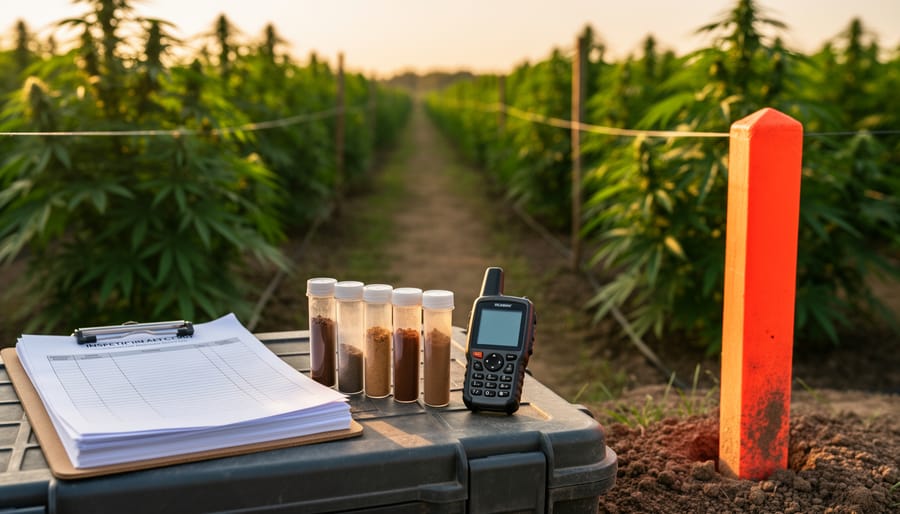
Check your local agricultural authority’s website first—the SPA/MF 2092/2024 license typically requires submitting land documentation, cultivation plans, and security protocols before you plant a single seed. I learned this the hard way when I assumed I could start growing CBD herbs on my property without understanding the bureaucratic maze ahead. The truth about mrjack bet é confiável licensing is that proper preparation saves months of delays and potential legal headaches.
Secure your cultivation zone boundaries with GPS coordinates and soil test results—regulatory bodies demand precise measurements and THC baseline data from your growing area. Download the official application forms directly from the ministry portal rather than relying on third-party summaries that might be outdated. Expect processing times between 60-90 days, so submit your paperwork well before your intended planting season.
Budget approximately 500-800 euros for the initial application, including background checks, site inspections, and administrative fees. Keep detailed records of every communication with licensing officials—I maintain a dedicated folder with timestamped emails and reference numbers that proved invaluable when my application stalled unexpectedly.
Understanding this specific license transforms an intimidating regulatory process into manageable steps. Whether you’re transitioning from traditional gardening to CBD cultivation or expanding an existing agricultural operation, the SPA/MF 2092/2024 framework provides clear guidelines once you decode the official language. This guide walks you through each requirement with practical insights from someone who navigated the system successfully, helping you avoid common pitfalls while staying compliant with current hemp cultivation regulations.
What SPA/MF 2092/2024 Actually Means for Home Growers
When I first heard about SPA/MF 2092/2024, I’ll admit I was intimidated. The official designation sounds like something requiring a law degree to understand, but here’s the good news: it’s actually a straightforward framework designed specifically for home growers like us who want to cultivate CBD-rich hemp legally.
Think of SPA/MF 2092/2024 as your official permission slip to grow hemp plants with high CBD content and low THC levels (below 0.3%) for personal or small-scale commercial use. This regulation was created because governments recognized that CBD cultivation isn’t the same as growing cannabis for recreational purposes. They needed a separate category that acknowledges the agricultural and wellness aspects of hemp without lumping it together with controlled substances.
Here’s what makes this license different from other agricultural permits: regular farming licenses don’t specifically address cannabis-related plants, even when they’re legally compliant hemp varieties. Without SPA/MF 2092/2024, you could technically be growing lettuce and tomatoes all day long, but the moment you plant a CBD-rich hemp seed, you’re in murky legal territory. This specific designation removes that ambiguity.
The regulation applies to anyone wanting to grow hemp for CBD extraction, whether you’re interested in CBD oil gardening for personal wellness or planning a small boutique operation. You’ll need it whether you’re planting five plants or fifty, as long as you’re cultivating for CBD purposes.
What confuses many people is the distinction between CBD cultivation and other cannabis activities. Let me simplify: this license covers growing hemp plants for their cannabidiol content. It doesn’t permit recreational cannabis cultivation, THC-rich strain development, or dispensary operations. Those activities fall under entirely different regulatory frameworks with much stricter requirements.
The regulation exists primarily for three reasons: ensuring crops meet legal THC limits, maintaining quality control in the CBD supply chain, and providing law enforcement with clear guidelines to distinguish legal hemp farms from illegal operations. For home growers, it’s actually protective—giving you documented proof that your garden is completely legitimate and compliant with agricultural laws.
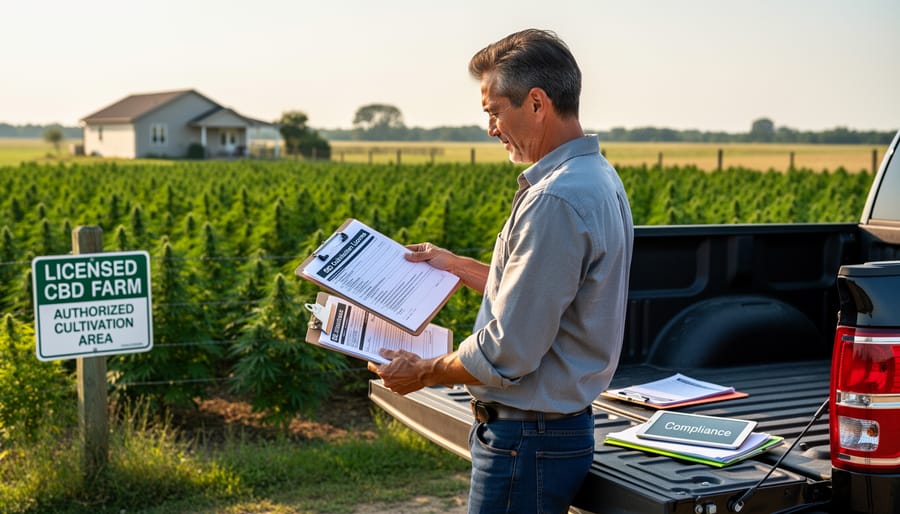
Do You Really Need This License?
Here’s the honest truth: not everyone needs this license, and figuring out where you stand can save you time, money, and potential headaches down the road.
Let me walk you through the scenarios I’ve encountered in my own journey and from chatting with fellow growers at local meetups.
If you’re thinking about growing a couple of CBD plants on your balcony or in your backyard garden purely for personal use, you’re in a gray area that varies by region. In most cases, cultivating up to three plants for personal consumption doesn’t require the SPA/MF 2092/2024 license. However, and this is important, those plants must contain THC levels below 0.2 percent, and you should have documentation proving the seeds came from approved varieties. I learned this the hard way when a neighbor asked questions about my first attempt at growing.
The moment you cross into commercial territory, everything changes. If you plan to sell CBD flowers, process them into products, or distribute them to dispensaries or online stores, you absolutely need this license. There’s no wiggle room here. Commercial cultivation means you’re entering a regulated market, and operating without proper licensing can result in serious legal consequences and financial penalties.
Here’s where things get tricky: what if you’re growing for a small local cooperative or sharing harvest with friends? Technically, any exchange involving money or barter requires licensing. Even giving away your harvest at community events could be interpreted as distribution.
My advice? If you’re unsure whether your plans qualify as personal or commercial, treat it as commercial. The application process might seem daunting, but it’s far less stressful than dealing with legal issues later. When I was planning my own small CBD garden expansion, I initially thought I could stay under the radar. After consulting with agricultural authorities, I realized getting licensed actually opened doors to better seed suppliers and gave me peace of mind.
Ask yourself: will money change hands? Will you distribute beyond your household? If yes to either, get licensed.
The Real Requirements (Not the Bureaucratic Version)
Land and Property Requirements
When I first looked into CBD cultivation, I’ll admit the property requirements seemed overwhelming. But here’s the good news—once you understand what regulators are actually looking for, it’s quite straightforward.
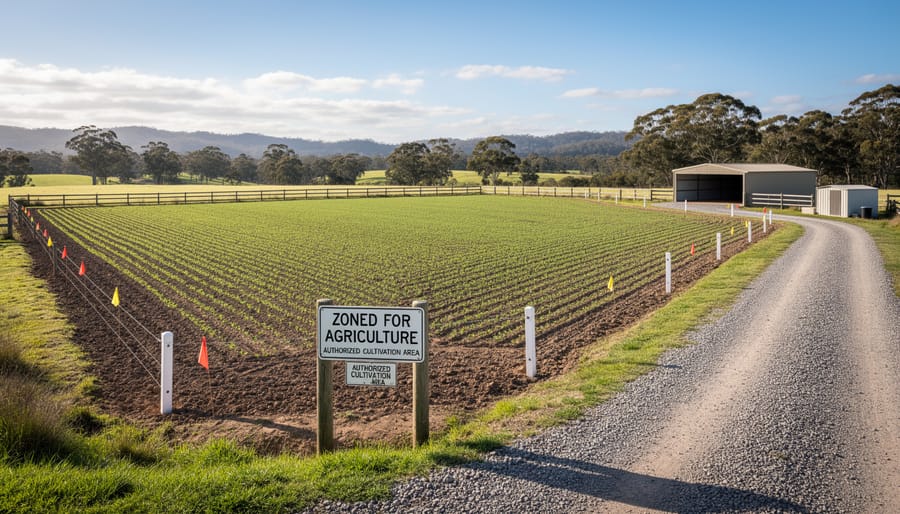
For the SPA/MF 2092/2024 license, you’ll need a minimum of half an acre of cultivatable land, though I’d recommend starting with at least one acre if possible. This gives you room to grow—literally and figuratively—without immediately needing to expand. The property must be zoned for agricultural use, which you can verify through your local planning office. If your land currently has a different zoning classification, you may need to apply for rezoning, a process that typically takes three to six months.
Distance requirements are non-negotiable. Your cultivation area must be at least 1,000 feet from schools, playgrounds, childcare centers, and public parks. I measured mine three times just to be safe! Use mapping tools or hire a surveyor if you’re anywhere close to that threshold—it’s worth the peace of mind.
For documentation, you’ll need a current land title deed or lease agreement with at least three years remaining, a recent property survey showing boundaries and distances to restricted areas, and a soil test report confirming your land is suitable for cultivation. Your local agricultural extension office can help arrange soil testing affordably.
If you’re renting, ensure your landlord provides written consent specifically for CBD cultivation. Generic agricultural permissions won’t suffice. I learned this lesson when my initial application was rejected due to vague lease language—be specific from the start.
Personal and Business Prerequisites
Before diving into the application process, let me share what surprised me most: the prerequisites aren’t as intimidating as they initially seemed! When I started researching this license, I worried I’d need a business degree or agricultural certifications, but the reality is much more accessible.
First, you’ll need a clean background check. This is standard procedure for any controlled substance cultivation, even CBD with low THC content. The authorities want to ensure you have no history of drug-related offenses or serious criminal activity. I requested mine through the local police department, and it took about two weeks to process.
For business registration, you’ll need a registered company or sole proprietorship. I chose the sole proprietorship route initially since it was simpler and more affordable for my small-scale operation. You can establish this through your local business registration office, and it typically costs between fifty to two hundred dollars depending on your region.
Financial requirements are straightforward. You’ll need to demonstrate basic financial stability, usually through bank statements covering the past three to six months. They’re not looking for vast wealth, just proof that you can sustain your operation and aren’t at risk of cutting corners due to financial pressure.
Regarding training, while formal agricultural certifications aren’t mandatory, I highly recommend completing a basic horticulture course or CBD-specific cultivation workshop. This knowledge will serve you well beyond just the application process.
Environmental and Safety Standards
When I first looked into CBD cultivation, I was surprised to discover how seriously environmental standards are taken—and honestly, it made me appreciate the process even more. The SPA/MF 2092/2024 license requires comprehensive water usage plans that detail your irrigation system, water sources, and conservation methods. Think of it as showing regulators you’re a responsible steward of resources, not just a grower chasing profits.
The pesticide restrictions are stricter than conventional farming—you’ll need to use only approved organic compounds listed in the license requirements. This actually aligns perfectly with sustainable living principles! Before planting your first seedling, mandatory soil testing ensures your land is free from heavy metals and contaminants. I learned this protects both the quality of your harvest and the surrounding ecosystem.
Environmental impact assessments consider everything from biodiversity protection to runoff management. You’ll document how you’ll prevent soil erosion, maintain buffer zones near waterways, and dispose of plant waste responsibly. These requirements might seem daunting initially, but they’re truly about creating a cultivation operation that works with nature rather than against it.
Our Step-by-Step Application Journey
Gathering Your Documentation
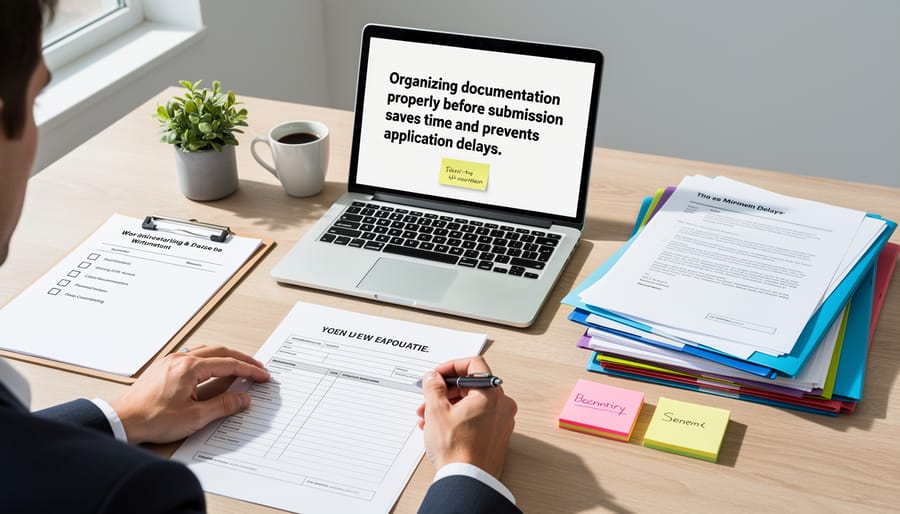
When I first tackled this licensing process, I nearly drowned in paperwork before I figured out a system. Here’s your practical checklist to stay organized and sane.
Start with your identification documents. You’ll need a valid government-issued ID and proof of residency—utility bills from the past three months work perfectly. Keep both originals and copies in a clearly labeled folder marked “Personal Documents.”
Next, gather your land-related paperwork. This includes your property deed or lease agreement, a recent land survey (obtainable from your local surveyor’s office), and zoning verification from your municipal planning department. I learned the hard way that requesting zoning verification can take two to three weeks, so start this immediately.
Your cultivation plan is crucial. Prepare detailed sketches showing where you’ll grow CBD plants, your irrigation setup, and security measures. Include a written growing methodology explaining your cultivation practices and expected yields. Don’t worry about making it perfect—clarity matters more than complexity.
Financial documentation requires your tax identification number, business registration if applicable, and bank statements covering the last six months. Your local revenue office can provide necessary tax certificates.
Create a tracking spreadsheet listing each document, where you obtained it, the date received, and expiration dates. I color-coded mine—green for complete, yellow for pending, red for urgent. This simple system saved me countless hours of frustration.
Finally, make three complete copies of everything. One stays home, one goes to the licensing office, and one lives in your car as backup. Trust me on this.
Submitting and Following Up
Once you’ve gathered all your documents and completed your application, it’s time to submit. I’ll be honest—the first time I walked into the regional agricultural office with my paperwork, my hands were actually shaking a bit. But here’s what I learned: preparation makes all the difference.
You’ll need to submit your SPA/MF 2092/2024 application to your provincial agricultural department. Most regions now accept online submissions through their agricultural portal, though some still require in-person delivery. I recommend calling ahead to confirm their preferred method and whether they need original documents or certified copies.
The review period typically takes 45 to 90 days, depending on your region’s workload. During this time, don’t just sit and wait anxiously like I did. Instead, keep detailed records of your submission date and reference number. Set a calendar reminder to follow up if you haven’t heard anything after 60 days.
When authorities reach out with questions—and they likely will—respond promptly and thoroughly. I received a query about my water source documentation on day 32. My advice? Answer within 48 hours and provide more information than asked for. It demonstrates professionalism and can prevent additional follow-up rounds.
Common mistakes to avoid include incomplete land ownership documents, vague cultivation plans without specific CBD strain information, and missing fee payments. Double-check everything before submission. One friend had his application rejected simply because he forgot to sign page seven. That three-month delay nearly cost him his entire growing season.
Stay organized, be patient, and keep communication lines open throughout the process.
The Inspection Process
I’ll be honest—I was nervous before my first inspection. I’d spent weeks getting everything ready, but wondering what they’d actually look for kept me up at night. Here’s what actually happened and what you need to know.
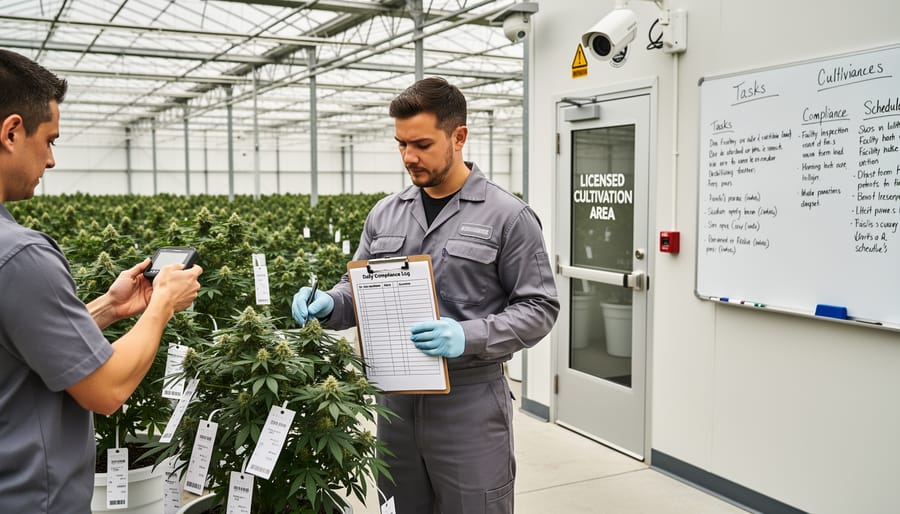
Inspectors focus on three main areas: security measures, proper plant identification, and record-keeping systems. They’ll check that your growing area has adequate fencing or locks to prevent unauthorized access. During my inspection, the officer spent considerable time examining my plant labels and asking how I differentiated CBD plants from other herbs in my garden. Having clear tags with strain names and planting dates made this part smooth.
Preparation is everything. Clean your growing space thoroughly, organize all documentation in a single folder, and have your cultivation plan readily available. I created a simple binder with my license application copy, seed purchase receipts, and a hand-drawn map of my garden layout. The inspector appreciated this organization immensely.
Expect questions about your intended use, plant count, and security protocols. They asked me, “How will you ensure children or pets don’t access these plants?” and “What’s your harvest and storage plan?” Answer honestly and show you’ve thought through the practical aspects.
The key to passing? Be transparent, organized, and demonstrate you understand the responsibility. Most inspectors want you to succeed—they’re ensuring compliance, not looking for reasons to deny you.
The Hidden Costs Nobody Warns You About
When we first started researching this license, we naively thought the application fee would be our main expense. Oh, how wrong we were! Let me walk you through the real costs we encountered, so you can budget properly from the start.
The application fee itself sits at around 2,500 EUR, which wasn’t unreasonable. However, nobody mentioned the mandatory site inspection fee of 800 EUR or the environmental impact assessment that set us back another 1,200 EUR. These aren’t optional extras – they’re required before your application even gets reviewed.
Then came the equipment investments. To meet legal compliance standards, we needed secure storage facilities with proper locks and surveillance cameras, which cost us approximately 3,500 EUR. The tracking and record-keeping system, mandatory for documenting every plant from seed to harvest, required specialized software at 600 EUR annually. We also had to invest in proper drying and storage equipment that met government specifications, adding another 2,000 EUR to our startup costs.
The ongoing expenses surprised us most. Annual renewal fees run about 1,800 EUR, plus mandatory quarterly inspections at 200 EUR each. Lab testing for THC levels, required twice yearly, costs 300 EUR per test. Our first-year total exceeded 12,000 EUR – far more than the “modest investment” we’d read about online.
Here’s the budget-friendly alternative we discovered: start small. Instead of building a dedicated facility immediately, we converted an existing garden shed, cutting construction costs by 60 percent. We found open-source record-keeping templates that work just as well as expensive software for small operations. We also joined a local growers’ cooperative that shares lab testing costs among members, reducing our testing expenses by half.
The key lesson? Budget at least triple what you think you’ll need for the first year. This journey taught us that transparency about costs helps everyone make informed decisions about whether CBD cultivation truly fits their homesteading dreams.
Staying Compliant After You Get Licensed
Getting your license feels like crossing a finish line, but honestly? It’s more like passing through the starting gate. The real work—and opportunity—begins when you integrate compliance into your daily farming life.
Here’s what I learned the hard way: trying to handle compliance as a separate, dreaded task is a recipe for stress. Instead, I built it into my sustainable farming routine, and everything became manageable.
Record-keeping is your new best friend. I keep a simple notebook in my greenhouse where I log planting dates, harvest weights, and any treatments applied. Every evening, I spend five minutes transferring these notes to a digital spreadsheet. This habit saved me during my first inspection—the inspector was genuinely impressed by my organization, and what could have been a nerve-wracking experience became a pleasant conversation about growing techniques.
Speaking of inspections, they’ll happen. Don’t panic. Keep your cultivation area tidy, maintain clear labeling on all plants, and ensure your records are current. I treat my scheduled inspections like I’m having a knowledgeable friend visit—it’s an opportunity to show what I’ve built.
Reporting requirements typically include quarterly submissions detailing your crop volumes and sales. Set calendar reminders for these deadlines. Missing one creates unnecessary complications.
The key mindset shift? Compliance isn’t bureaucratic punishment—it’s the framework protecting your investment and legitimizing your work. When documentation becomes routine rather than afterthought, it takes maybe thirty minutes weekly. That’s less time than I spend planning my vegetable garden.
Think of compliance as crop insurance. A little consistent effort protects everything you’re building, letting you focus on what drew you to CBD cultivation in the first place: growing something meaningful.
Looking back at my journey through the SPA/MF 2092/2024 licensing process, I can honestly say it was absolutely worth it. Yes, there were moments of frustration with paperwork and waiting periods, but obtaining this license has been a cornerstone of our sustainable lifestyle transformation. Growing our own CBD has reduced our reliance on commercial products, connected us more deeply with our land, and opened doors to a community of like-minded cultivators I never knew existed.
The biggest lesson I learned? Don’t let bureaucracy intimidate you. The process seemed overwhelming at first, but breaking it down into manageable steps made all the difference. Start early, stay organized, and don’t hesitate to ask questions when you’re uncertain. Remember that inspectors and licensing officials are generally there to help, not hinder your efforts.
For those of you considering CBD cultivation, my advice is simple: if you’re serious about sustainable living and willing to commit to doing things properly, go for it. The licensing requirements exist for good reasons, and following them actually made me a better, more responsible grower. The investment of time and money pays dividends in peace of mind and quality yields.
I’d love to hear from you. Are you planning to apply for your own cultivation license? Have you already gone through the process? What questions are holding you back? Share your experiences in the comments below, and let’s support each other on this journey toward more sustainable, self-sufficient living.